

Herbs and Spices Market to Reach USD 50.0 Billion by 2035, Driven by Organic Demand at 3.16% CAGR
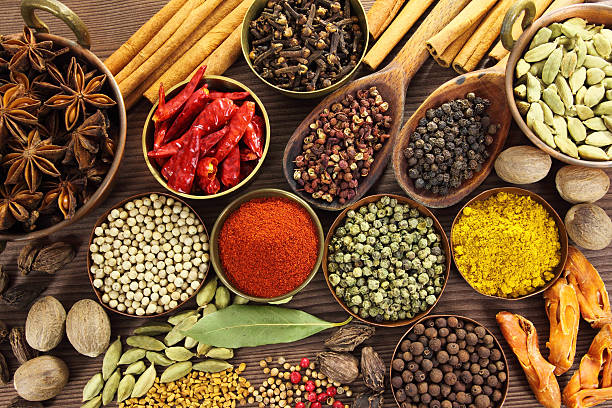
Herbs and Spices Market
Herbs and Spices Market is projected to reach USD 50.0 billion by 2035, fueled by growing demand for organic, sustainable, and premium food ingredients.
NEW YORK, NY, UNITED STATES, June 19, 2026 /EINPresswire.com/ --The global Herbs and Spices Market continues to experience steady growth as consumers increasingly seek natural flavors, clean-label ingredients, and health-enhancing food products. Valued at USD 35.5 billion in 2024, the market is expected to grow from USD 36.62 billion in 2025 to USD 50.0 billion by 2035, registering a CAGR of 3.16% during the forecast period. The market's expansion is being supported by rising consumer awareness regarding healthy eating habits, increasing demand for ethnic cuisines, and the growing popularity of organic and sustainably sourced ingredients.
Herbs and spices have become essential components across food processing, foodservice, pharmaceuticals, nutraceuticals, and personal care industries. Their functional benefits, including antioxidant, antimicrobial, and anti-inflammatory properties, have significantly increased their value beyond traditional culinary applications. As manufacturers continue introducing innovative spice blends and herbal products, market competition and product diversification are expected to intensify throughout the forecast period.
The competitive landscape of the market is characterized by the presence of several established global players focusing on product innovation, sustainable sourcing, and geographic expansion. Key companies operating in the market include McCormick & Company (US), Kraft Heinz Company (US), Olam International (SG), Döhler Group (DE), Associated British Foods (GB), Spice World (US), Badia Spices (US), Frontier Co-op (US), and Penzeys Spices (US). These companies continue investing in advanced processing technologies and supply chain optimization to strengthen their market positions.
One of the primary growth drivers for the market is the increasing consumer preference for organic herbs and spices. Consumers are becoming more conscious of food quality, sustainability, and traceability, encouraging producers to adopt environmentally responsible farming and sourcing practices. Organic certification has emerged as a significant purchasing factor, particularly in developed markets across North America and Europe.
Another important factor driving market growth is the expansion of global foodservice and processed food industries. Manufacturers are increasingly utilizing herbs and spices to enhance flavor profiles naturally while reducing reliance on artificial additives and preservatives. This trend aligns with the broader clean-label movement that continues to reshape food and beverage product development worldwide.
“Free Sample Copy” – Access A Complimentary Copy of Our Report to Explore Its Content and Insights
https://www.marketresearchfuture.com/sample_request/68204
Application Segment Analysis
Based on application, the market serves food and beverages, pharmaceuticals, nutraceuticals, cosmetics, and personal care industries. The food and beverage segment represents the largest share due to widespread usage in packaged foods, sauces, seasonings, snacks, ready-to-eat meals, and beverages. Consumer demand for authentic regional flavors and premium culinary experiences continues to support segment growth.
The pharmaceutical and nutraceutical sectors are also witnessing increasing adoption of herbal ingredients because of their medicinal and therapeutic properties. Ingredients such as turmeric, ginger, garlic, and basil are gaining prominence in dietary supplements and wellness products aimed at supporting immunity and overall health.
Form Segment Analysis
The market is segmented by form into whole, crushed, chopped, powdered, and liquid extracts. Powdered herbs and spices account for a substantial market share due to their convenience, longer shelf life, and ease of incorporation into food manufacturing processes. Powdered products are particularly popular among commercial food producers and restaurant chains.
Liquid extracts and concentrates are gaining momentum as manufacturers seek highly concentrated flavor solutions for beverages, sauces, and pharmaceutical formulations. Meanwhile, whole herbs and spices continue to maintain strong demand among consumers who prioritize freshness, authenticity, and traditional cooking methods.
Distribution Channel Segment Analysis
Distribution channels include supermarkets and hypermarkets, specialty stores, online retail, convenience stores, and direct sales. Supermarkets and hypermarkets remain the dominant distribution channel due to extensive product availability, strong brand visibility, and consumer convenience.
However, online retail is emerging as one of the fastest-growing channels. E-commerce platforms provide access to premium, organic, and internationally sourced herbs and spices that may not be readily available through conventional retail outlets. The growing popularity of digital shopping and direct-to-consumer models is expected to further strengthen online sales during the forecast period.
End-Use Segment Analysis
The end-use segment comprises household, commercial, and industrial users. Household consumption remains a major contributor to market revenue as consumers increasingly experiment with international cuisines and home cooking. Rising awareness regarding the health benefits of herbs and spices further supports residential demand.
Commercial users, including restaurants, hotels, catering services, and foodservice operators, represent another significant market segment. The industrial segment, encompassing food processing, pharmaceuticals, and cosmetics manufacturing, continues to expand due to growing production volumes and increasing incorporation of natural ingredients.
Regional Market Analysis
North America represents a mature and highly developed market driven by strong consumer demand for organic products, premium seasonings, and clean-label foods. The United States remains a key contributor due to its advanced food processing industry and growing preference for ethnic cuisines.
Europe continues to demonstrate stable growth supported by stringent food quality standards and increasing interest in sustainable agriculture. Countries such as Germany, the United Kingdom, and France are major consumers of premium herbs and spice products.
Asia-Pacific is expected to witness the fastest growth during the forecast period. The region benefits from a rich culinary heritage, expanding middle-class population, rising disposable incomes, and increasing exports of spices. Major producing countries such as India, China, Vietnam, and Indonesia play a crucial role in global supply chains.
South America and the Middle East & Africa also present promising opportunities due to expanding food industries, rising urbanization, and increasing consumer awareness regarding natural food ingredients. Growing investments in agricultural modernization and export-oriented production further support regional market development.
Market Opportunities and Future Outlook
The growing consumer preference for organic and sustainably sourced products presents one of the most significant opportunities within the herbs and spices market. Companies that emphasize transparency, ethical sourcing, and environmental sustainability are expected to gain a competitive advantage over the coming decade.
Technological advancements in processing, packaging, and preservation methods are further enhancing product quality and shelf life. Additionally, the increasing popularity of functional foods, plant-based diets, and natural wellness products is creating new avenues for market expansion. As innovation continues across the value chain, the Herbs and Spices Market is expected to maintain steady growth and remain a critical component of the global food and wellness industries through 2035.
Frequently Asked Questions (FAQs)
Q1. What is the projected size of the Herbs and Spices Market by 2035?
The Herbs and Spices Market is projected to reach USD 50.0 billion by 2035, growing at a CAGR of 3.16% from 2025 to 2035.
Q2. What is the major factor driving market growth?
The primary growth driver is rising consumer demand for organic, natural, and sustainably sourced herbs and spices, along with increasing adoption in food, pharmaceutical, and nutraceutical applications.
Read Our Related Research Report
Spices Seasonings Market:
https://www.marketresearchfuture.com/reports/spices-seasonings-market-6606
Dried Spice Market:
https://www.marketresearchfuture.com/reports/dried-spice-market-32667
Herbal Supplements Market:
https://www.marketresearchfuture.com/reports/herbal-supplements-market-3231
Herb Infused Water Market:
https://www.marketresearchfuture.com/reports/herb-infused-water-market-31962
Herb Oil Market:
https://www.marketresearchfuture.com/reports/herb-oil-market-33030
Sagar Kadam
Market Research Future
+1 628-258-0071
email us here
Visit us on social media:
LinkedIn
Facebook
X
Legal Disclaimer:
EIN Presswire provides this news content "as is" without warranty of any kind. We do not accept any responsibility or liability for the accuracy, content, images, videos, licenses, completeness, legality, or reliability of the information contained in this article. If you have any complaints or copyright issues related to this article, kindly contact the author above.
